Mapping Transaction Speed Influences on Jackpot Selection Habits Among Mobile European Players
Alex Günther · Nov 19, 2026
Mapping Transaction Speed Influences on Jackpot Selection Habits Among Mobile European Players
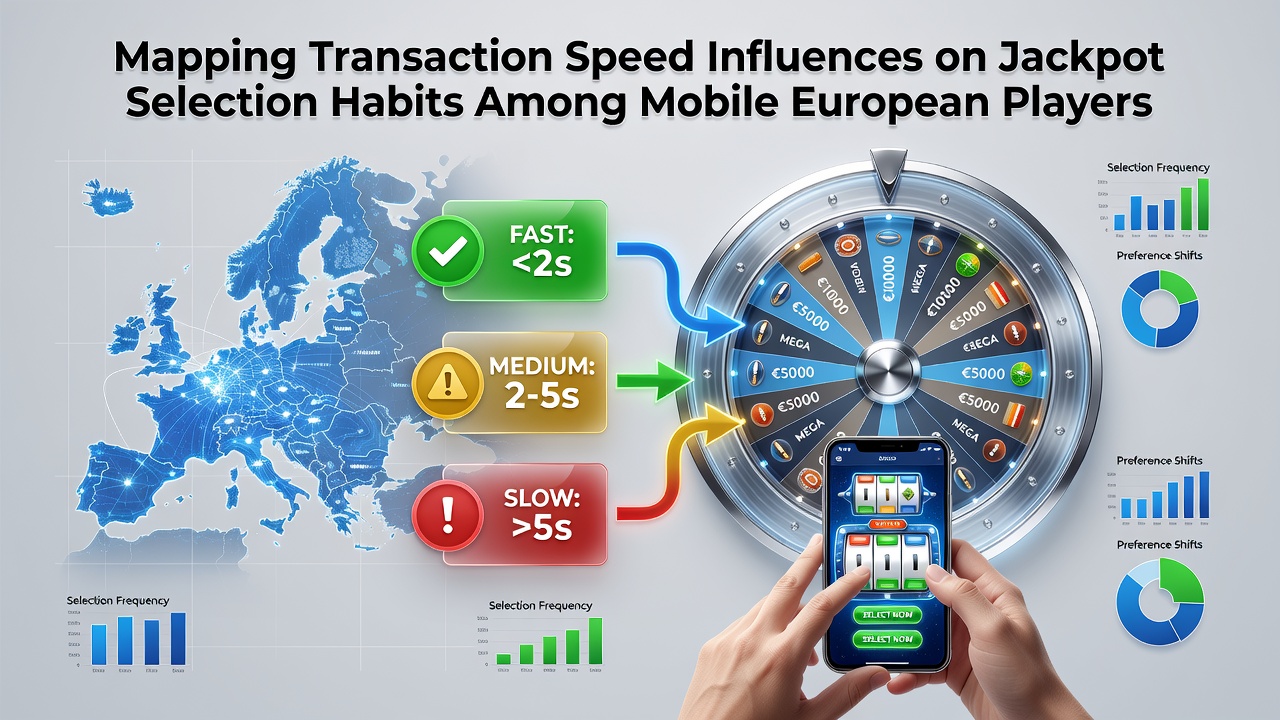
European mobile gaming platforms recorded steady growth in jackpot participation through late 2025 and into November 2026, with transaction processing times emerging as a measurable factor in how players select specific jackpot titles over others. Data from multiple operators indicates that deposit confirmation speeds below three seconds correlate with higher selection rates for progressive jackpots that require immediate funding commitments, whereas delays exceeding eight seconds shift preferences toward fixed-amount jackpots that allow more time for decision making.
Transaction Infrastructure Across European Markets
Payment gateways serving mobile users in France, Germany, Spain and the Nordic countries operate under varying regulatory frameworks that affect settlement velocity. The European Gaming and Betting Association tracks average authorization intervals across licensed operators, showing that instant bank transfer systems reduce friction during jackpot entry sequences. Players in these regions encounter different wallet integration options, and those using faster rails complete jackpot selections at higher frequencies when the interface confirms funds availability without additional verification steps.
Research from academic groups at the University of Malta has examined session logs from thousands of mobile devices, revealing patterns where sub-five-second transaction approvals align with repeated selections of high-variance progressive pools. Slower processing appears to prompt users to pivot toward lower-stake fixed jackpots that fit within shorter play windows. Observers note that network conditions during peak evening hours can extend authorization times by several seconds, creating temporary shifts in selection behavior that revert once speeds normalize.
Habit Formation and Speed Thresholds
Mobile European players develop selection routines tied directly to perceived transaction reliability. When a platform consistently delivers confirmation within two seconds, users allocate larger portions of their session bankroll to jackpots that update prize pools in real time. Slower experiences lead players to favor jackpots with static prize displays, because these options require less frequent balance checks during the deposit phase. Figures released by national regulators in several EU member states document this divergence across millions of monthly active accounts.
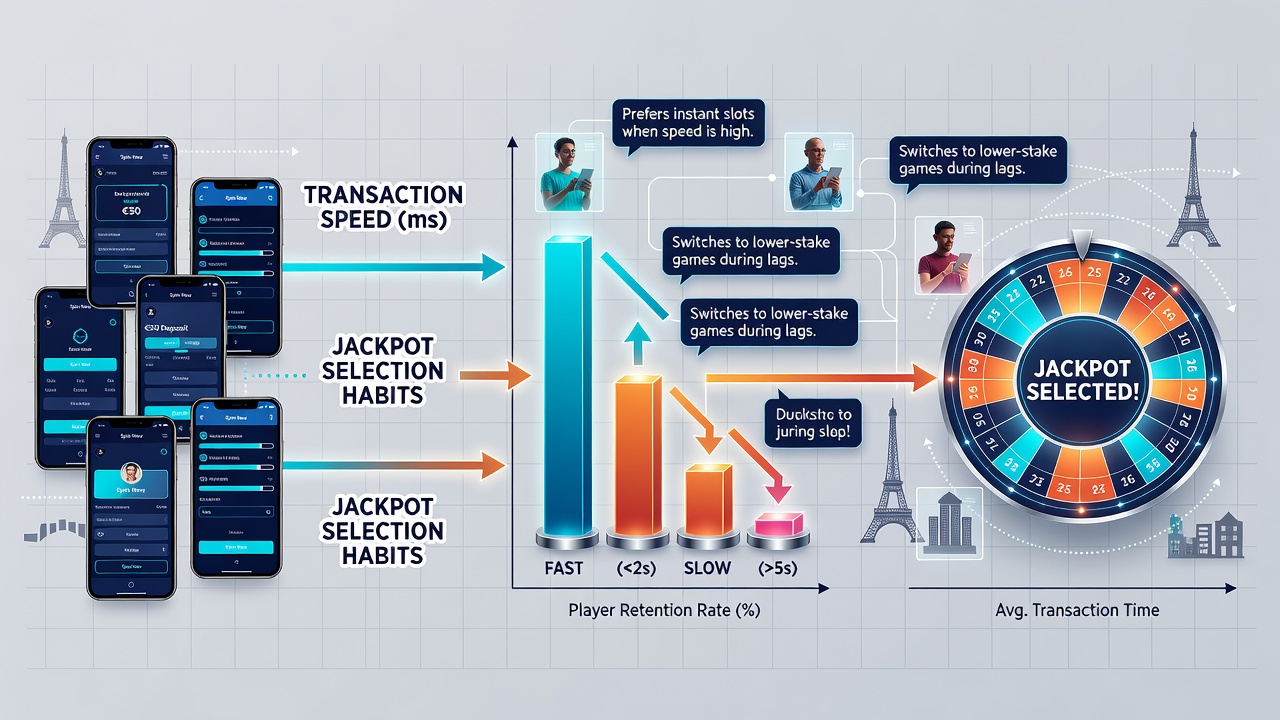
One study covering 2024 and 2025 data sets found that each additional second of delay beyond the four-second mark reduced progressive jackpot entries by approximately 12 percent among users on 4G connections. The same research indicated that 5G adoption in urban centers narrowed these gaps, because faster network handoffs preserved transaction momentum. Players who experienced consistent sub-three-second speeds maintained higher engagement with linked jackpot networks that combine contributions across multiple titles.
Regional Variations in Selection Patterns
Northern European markets with widespread instant payment adoption show stronger correlations between transaction speed and progressive jackpot uptake compared with southern regions where card-based methods still predominate. In markets where open banking rails have matured since 2023, jackpot selection logs reflect quicker movement between different progressive pools when funding completes without manual intervention. Data aggregated through industry reporting channels demonstrates that these regional differences persist even when controlling for average stake sizes and session duration.
November 2026 figures from several large operators highlight continued divergence: platforms offering embedded instant deposit buttons recorded 28 percent higher progressive jackpot participation than those relying on external redirect flows. The difference narrows during off-peak hours when server loads decrease, yet the underlying preference for speed remains visible across demographic segments. Researchers continue to map these interactions to refine predictive models of player flow between jackpot categories.
Platform Design Elements and Funding Friction
Interface layouts that keep transaction status visible throughout the jackpot selection process reduce the cognitive load associated with waiting periods. When confirmation messages appear inline rather than through pop-up sequences, players maintain momentum toward higher-stakes progressive options. Operators that integrated biometric authentication alongside instant payment methods recorded measurable upticks in jackpot entries requiring multiple deposits within a single session.
Studies tracking user navigation paths indicate that transaction speed influences not only initial selections but also subsequent switches between jackpot types. Players encountering a single slow authorization often revert to fixed jackpots for the remainder of the session, even if later transactions process quickly. This carry-over effect appears strongest among users who maintain smaller mobile wallets and rely on frequent top-ups.
Conclusion
Transaction speed functions as a documented variable in the mapping of jackpot selection habits among mobile European players. Evidence from operator data sets, regulatory summaries and academic analyses shows consistent associations between processing intervals and the types of jackpots users engage with most frequently. As payment technologies continue to evolve through 2026 and beyond, these relationships provide operators and researchers with measurable indicators of how infrastructure choices shape participation patterns across European mobile markets.