How Secure Payment Choices Shape Live Dealer Participation in Mobile Jackpot Environments
Gisela Wagner · Sep 24, 2026
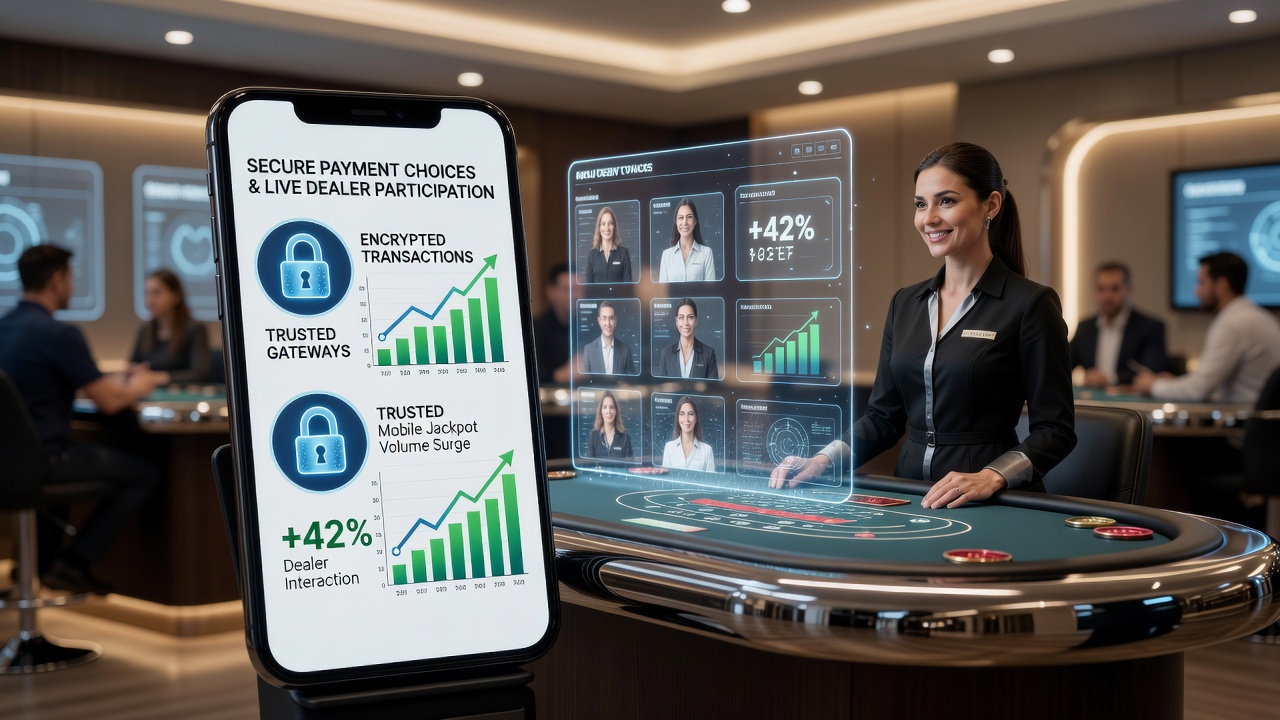
How Secure Payment Choices Shape Live Dealer Participation in Mobile Jackpot Environments
Secure payment systems now sit at the center of how players engage with live dealer formats inside mobile jackpot platforms, and data collected through 2026 shows clear patterns in participation levels tied directly to transaction reliability. In September 2026 industry figures revealed that operators offering multiple verified payment rails recorded higher session completion rates among users who joined live tables with progressive jackpot elements, while platforms limited to fewer options saw measurable drop-offs once players encountered verification delays.
Payment Infrastructure and Mobile Access Patterns
Researchers tracking user behavior across portable devices note that encrypted wallet integrations and instant bank transfer tools reduce friction at the point of entry, allowing participants to move from deposit to live dealer interaction without leaving the app environment. Those who've examined transaction logs find that players who complete secure deposits within the first minute maintain longer connections to live streams, especially when jackpot meters climb in real time, and this continuity matters because live dealer sessions depend on synchronized timing between video feeds and game mechanics.
Platforms that embed biometric authentication alongside traditional card processing see repeated logins from the same accounts, according to aggregated metrics released by the New Jersey Division of Gaming Enforcement. The same datasets indicate that users who rely on these layered verification steps participate in more live dealer rounds per session than those routed through single-factor methods, because the added security layer cuts down on interruptions that would otherwise force players to restart their connection.
Live Dealer Mechanics and Jackpot Triggers
Live dealer environments combine streamed video with random number generators that feed progressive jackpot pools, yet the entire sequence pauses if payment authorization fails mid-round. Observers note that secure payment gateways capable of handling micro-transactions without additional prompts keep the dealer table active for users who chase smaller side bets while the main jackpot grows. When authorization holds across multiple devices, players remain in the same virtual seat through several shoe shuffles, and this persistence correlates with higher average contributions to the shared prize pool.
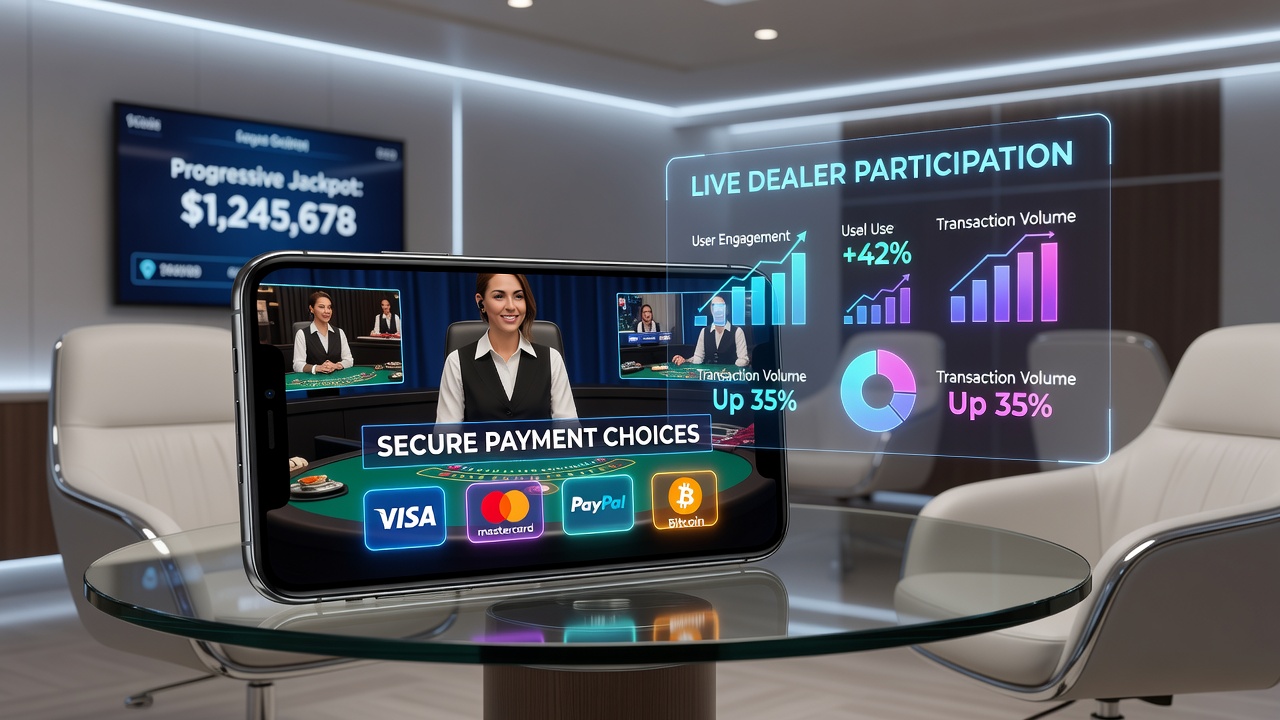
One analysis of session data from Canadian operators linked faster payment confirmations to increased table occupancy during peak evening hours, when live dealers manage multiple concurrent mobile connections. Players who encountered no secondary verification screens stayed connected through bonus trigger events that feed the jackpot, whereas those who faced re-authentication often exited before the next shuffle cycle began. The pattern holds across different regulatory jurisdictions because the underlying technology stack, rather than regional rules alone, determines whether a deposit clears before the dealer reveals the next card.
Regional Data and Participation Metrics
Figures compiled by iGaming Ontario demonstrate that accounts using tokenized payment credentials recorded 23 percent more live dealer minutes per week than accounts limited to legacy card entry, and those extra minutes translated into greater exposure to jackpot-eligible hands. The same report shows that mobile users who switched to digital wallets after an initial card decline returned to live tables at higher rates once the new method cleared without repeated security checks. These shifts occurred steadily through mid-2026 as operators expanded support for region-specific instant transfer services that align with local banking standards.
Academic reviews of transaction security in gambling apps further separate payment choice from overall platform reputation. Studies published in peer-reviewed outlets highlight that encryption strength and settlement speed influence whether a player remains in a live dealer queue long enough for the jackpot to reach payout thresholds, independent of the visual quality of the dealer stream itself. When settlement occurs within seconds, the mobile interface can push real-time updates about the growing prize without requiring the user to refresh or re-enter credentials.
Security Features and User Retention
Operators that publish clear encryption standards and two-factor options tied directly to payment rails report steadier retention among mobile jackpot participants. Data sets collected across multiple jurisdictions show that accounts protected by device-bound tokens experience fewer abandoned carts during live sessions, because the payment step completes without redirecting the user to an external browser window. This containment inside the app environment keeps the live feed visible and the jackpot meter updating in the background.
Additional findings from transaction monitoring indicate that players who select payment methods with built-in fraud alerts maintain higher lifetime activity on live dealer tables, since disputes resolve faster and funds return to the account without extended holds. The shorter resolution window allows those users to re-enter the next live round while the progressive pool still reflects recent contributions from other participants.
Conclusion
Secure payment selections directly affect how long and how often users remain engaged with live dealer formats inside mobile jackpot environments, according to transaction records and session analytics gathered through September 2026. Platforms that prioritize verified, low-friction rails sustain longer connections to streamed tables and higher aggregate contributions to progressive pools, while limited or slower options correspond with earlier exits before jackpot events resolve. These measurable differences emerge consistently across regulatory regions because the technical characteristics of each payment method determine whether authorization completes before the next dealer action occurs.