Connections Between Responsible Gaming Features and Mobile Live Dealer Blackjack Participation Rates
Alex Günther · Oct 22, 2026

Connections Between Responsible Gaming Features and Mobile Live Dealer Blackjack Participation Rates
Analysts tracking online gambling trends have examined how responsible gaming features interact with player engagement in mobile live dealer blackjack across various markets, and data from multiple regions reveal measurable shifts in participation rates tied to these tools. Platforms offering deposit limits, session timers, and reality check notifications often report distinct patterns compared to those with minimal interventions, particularly when users access real-time dealer games on portable devices. Studies compiled through 2025 and into October 2026 show participation metrics fluctuating based on feature availability rather than remaining uniform across all operators.
Key Responsible Gaming Features in Mobile Environments
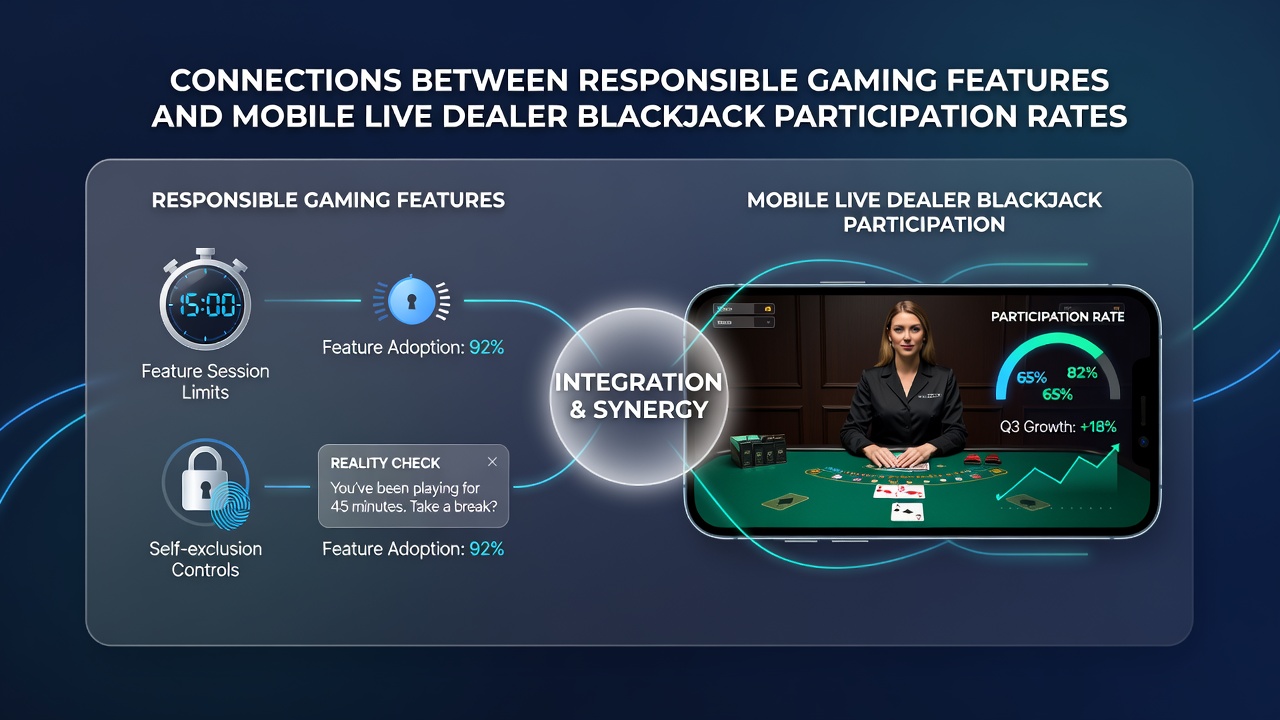
Deposit limit tools allow users to cap daily, weekly, or monthly spending, and these controls appear in numerous mobile applications that host live dealer blackjack tables. Session time reminders interrupt play after set intervals, while self-exclusion options block access for predetermined periods, and operators in regulated jurisdictions integrate these elements directly into the app interface. Data indicates that players who activate multiple features simultaneously demonstrate different session frequencies than those using single controls, with some markets recording higher repeat logins when tools remain optional rather than mandatory.
Reality check pop-ups display elapsed time and current losses at regular intervals, and researchers from academic institutions have tracked how these interruptions influence continuation rates in live blackjack sessions. Mobile-specific adaptations include customizable alert frequencies, and figures from North American operators suggest that users who adjust these settings participate at steadier rates over extended periods compared to default configurations.
Observed Participation Rate Patterns
Participation rates in mobile live dealer blackjack have shown correlations with feature implementation timelines, and reports released in October 2026 by the Nevada Gaming Control Board highlighted increased daily active users on platforms that introduced voluntary spending caps earlier in the year. Yet operators without such additions maintained stable but lower engagement levels among frequent players, whereas combined data from several European regulators pointed to modest upticks in session counts when time-limit tools paired with educational pop-ups about game mechanics.
Longer sentences connect these observations because analysts note that players often explore live dealer formats more readily once they perceive spending safeguards as present, and this dynamic appears across age groups though younger demographics exhibit stronger responses to app-based notifications. Australian government statistics further illustrate how self-exclusion uptake coincides with temporary dips followed by rebounds in participation when users return under controlled conditions.
Regional Data and Industry Reports
Canadian provincial data collected through 2026 demonstrates that provinces mandating responsible gaming tool visibility recorded higher overall participation in mobile blackjack compared to regions relying on voluntary adoption, and researchers attribute part of this difference to reduced hesitation among new users. Industry associations have documented similar trends where feature-rich apps sustain longer-term engagement, while those with fewer options experience higher churn after initial trials.
One study from a European research consortium examined thousands of accounts and found that deposit limit users extended their play periods without exceeding thresholds, and this pattern held steady even as live dealer tables expanded availability. Participation metrics in these cases rose gradually rather than spiking, suggesting sustained interest when safeguards operate transparently.
Influencing Factors Beyond Features
Device compatibility and network speeds also shape how players interact with both blackjack tables and responsible gaming elements, and data shows that seamless integration of controls within the mobile interface correlates with higher continued participation. Operators who embed these tools without disrupting game flow report fewer drop-offs, whereas abrupt interruptions lead to varied outcomes depending on player history.
Market maturity plays a role too because jurisdictions with longer regulatory histories tend to pair feature requirements with public awareness campaigns, and this combination aligns with steadier participation curves according to aggregated industry figures. Observers tracking October 2026 releases note that cross-border comparisons become more precise as data collection standards align across borders.
Conclusion
Evidence from regulatory bodies, academic analyses, and operator reports continues to map connections between responsible gaming features and mobile live dealer blackjack participation rates, and these links vary by implementation style, region, and user demographics. Data through October 2026 indicates that optional, well-integrated tools often support consistent engagement levels while mandatory or poorly placed controls produce different trajectories. Further monitoring across additional markets will clarify these relationships as mobile platforms evolve.